Scene transition is the period between two consecutive scenes. Transition effects helps in maintaining the continuity of your images or videos. When we move from one scene to the other, the transition effects would make sure that the scenes do not change abruptly and the transformation looks seamless.
Quick Fire Model Design
Wood & Aluminium Wood & Aluminium Wood & Aluminium Wood & Aluminium Red Fabric & FilmRed Fabric & Film
Bruno, G. (2007). Public Intimacy: Architecture and the Visual Arts (Writing Architecture): Vol. Writing architecture series (pp. 17-21). Cambridge, Mass: The MIT Press.
Laura; pg 19 ‘the filmic path is the modern version of architectural itinerary, with its own montage of cultural space’ the relationship between the film making and the architectural promenade Pg 21 ‘…the art of memory is a form of inner writing’ ‘They bear the layers of a writing that can be effaced a nd yet written over again…’ The links between the cinematic arts and the architectural aesthetics.
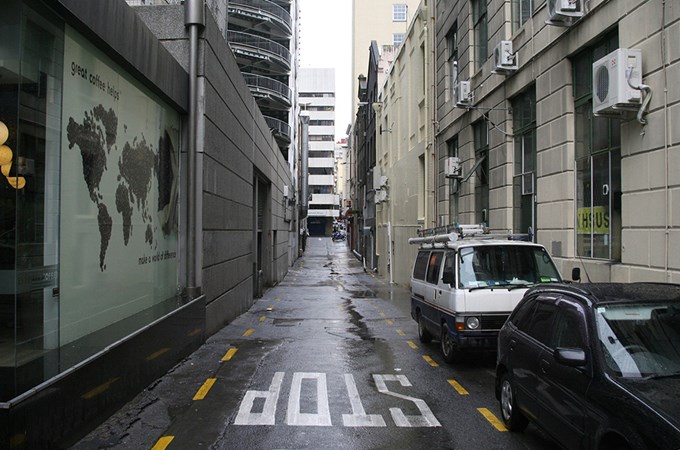
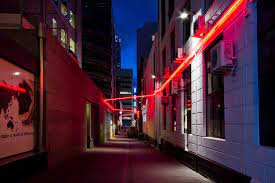
Emma; pg 21 ‘we require therefore places, real or imaginary, and images or simulacra which we must, of course, invent for ourselves…’ we use places as wax. When we go to a site visit later this week, I’ll focus capturing my voyage/experience through the lane over time; a sequence of sensory experiences rather than still images or moment
Belinda; pg 19 ‘film inherits the possibility of such a spectatorial voyage from architecture.’ History and the connections to the architecture whether it’s near or far The museums are displaying stuff that show history and culture – there was a lot of research and studies before editing down the information to the essence for public display.
Angel; pg 21 ‘It bears the mark of the art of memory……..’ In every art piece there’s a story (experiences or interests) to unfold to why it was designed that way, this architectural paths holds the designer’s memory and will now hold new visitor’s memory
Reading the previous text has allowed me to think more about ‘memory’. Bruno states “memory interacts with the haptic experience of place” as it each has their individual memory of spaces depending on how they interact with the space. A normal person could use all five senses to experience a space. However, I am just lacking a tad bit in the auditory department, so is unable to experience it as a whole like others. This led me to think of a video created by Chella man who is also a deaf creator. In the video the words – “But through this loss, there is great gain … other senses heightened … Establishing a continuum of people who are different… yet connected.” were said and it really resonated with me as the amount of times I have sat in my room with my cochlear implant detached, existing in the world with with one less sense to a normal being. Seeing and feeling the world as it moves past me as silence embraces. Humming in the background as small whispers in my ear but oblivious to the surrounding noises as it all sounds the same.
Gong For centuries, a gong was a symbol of success and status among Asian families – and still is to a degree. There are many uses for gongs; to communicate; make announcements; make music; accompany life’s events; meditate and heal. I am hoping to use the communication aspect into my design practice.




 Belinda's Blog